
Next Phase announced as NMTF Sponsors
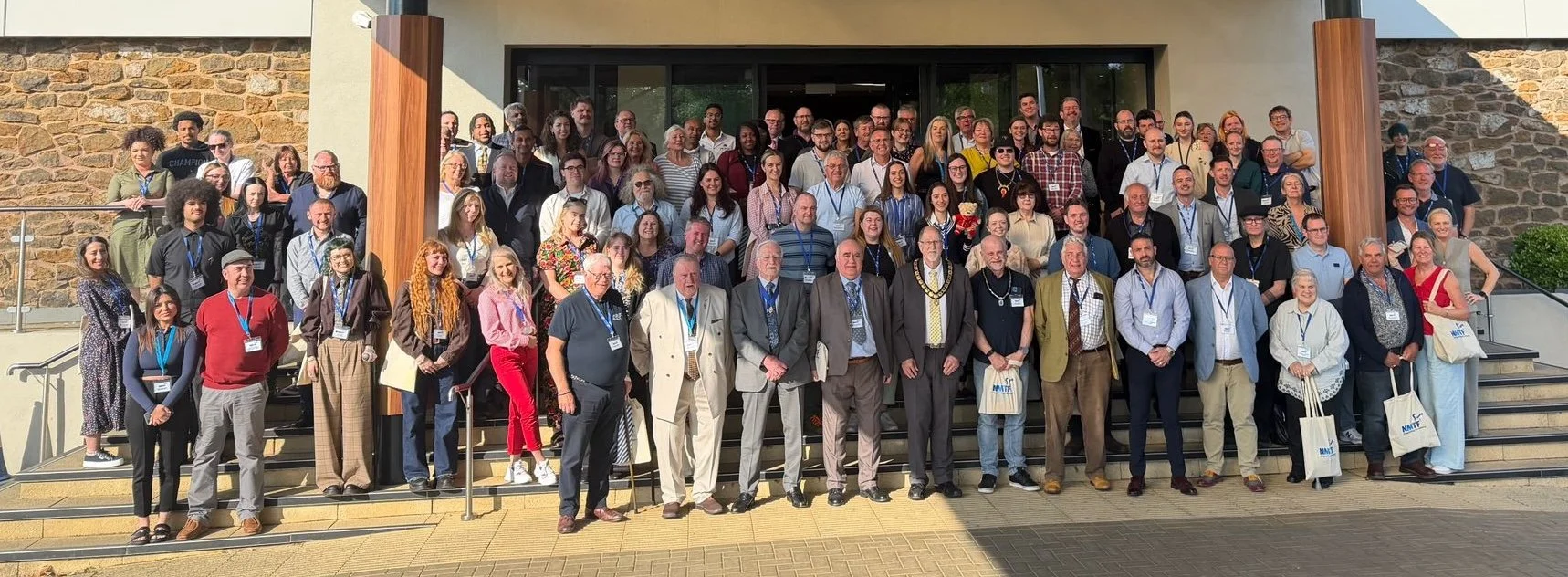
Next Phase is delighted to announce its sponsorship of the National Market Traders Federation (NMTF), following a brilliant NMTF Conference where the team were proud to attend and participate as sponsors for the first time.
For a business built around transforming markets and unlocking the potential of underutilised spaces, supporting the NMTF felt like the most natural step in the world. The NMTF does vital work, representing traders, advocating for the industry, and championing the kind of vibrant, community-focused markets that Next Phase exists to help create and develop. Getting behind that work, formally and publicly, is something our team is genuinely proud of.
One Size Does Not Fit All: Part Two
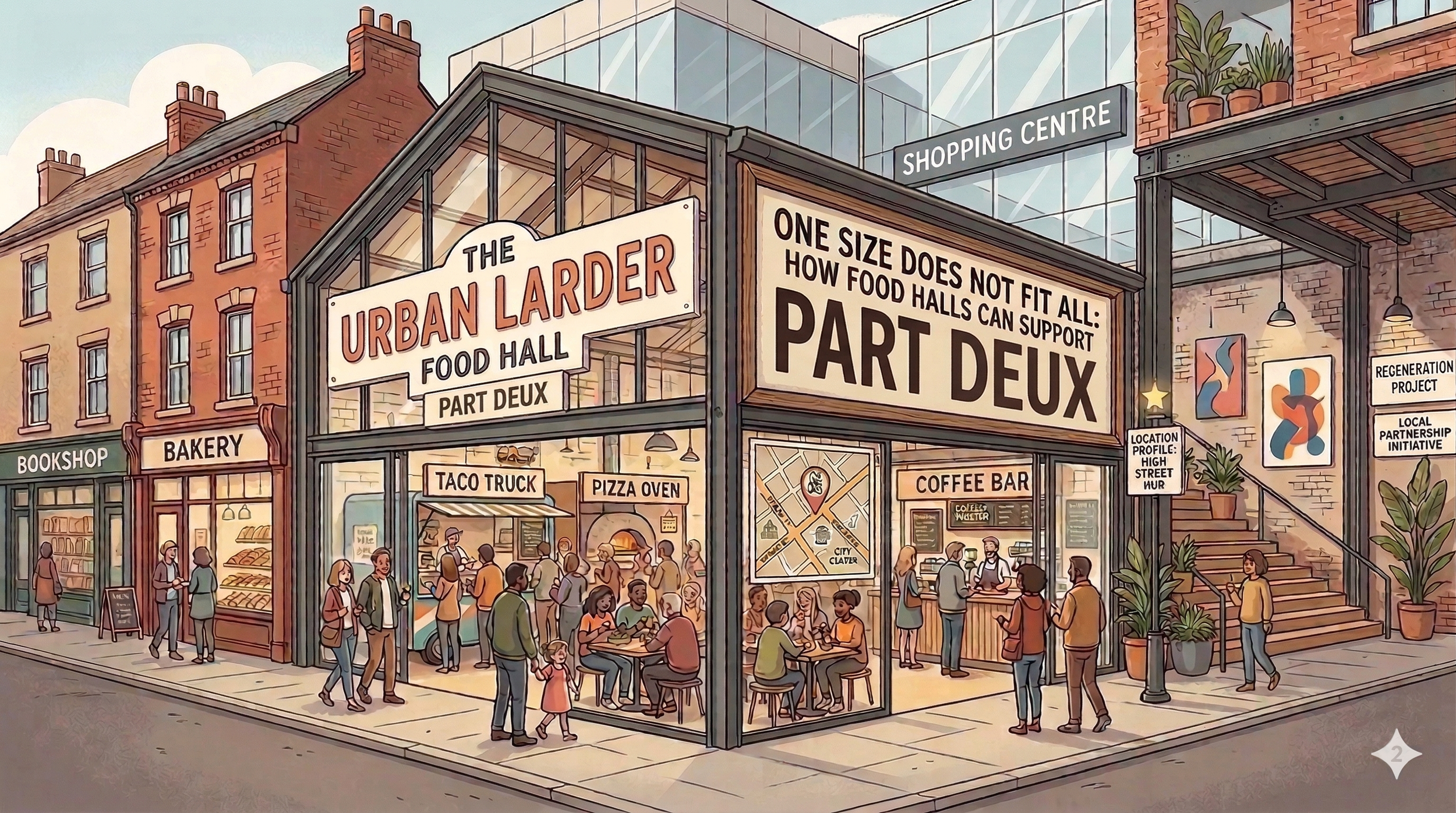
Food halls are not a one size fits all solution. They can play a powerful role on high streets, in shopping centres and in regeneration projects, but only when the model matches the location, the building and the commercial objective.
A destination food hall requires a very different approach to a community led market hall. A compact container scheme on a transitional site has little in common with bringing a heritage building back into use. The mistake is not believing in food halls. The mistake is assuming the same format works everywhere.
In Part 2 of this two part series, we explore how to match the right food hall model to the right place. We look at the location types that most councils, landlords and developers deal with, the factors that shape success across every format, and the common mistakes that turn good ideas into costly failures.
If you are exploring a food hall opportunity and want to understand which model fits your site and objectives, this is the place to start.
Markets: Creating the Future from the Past
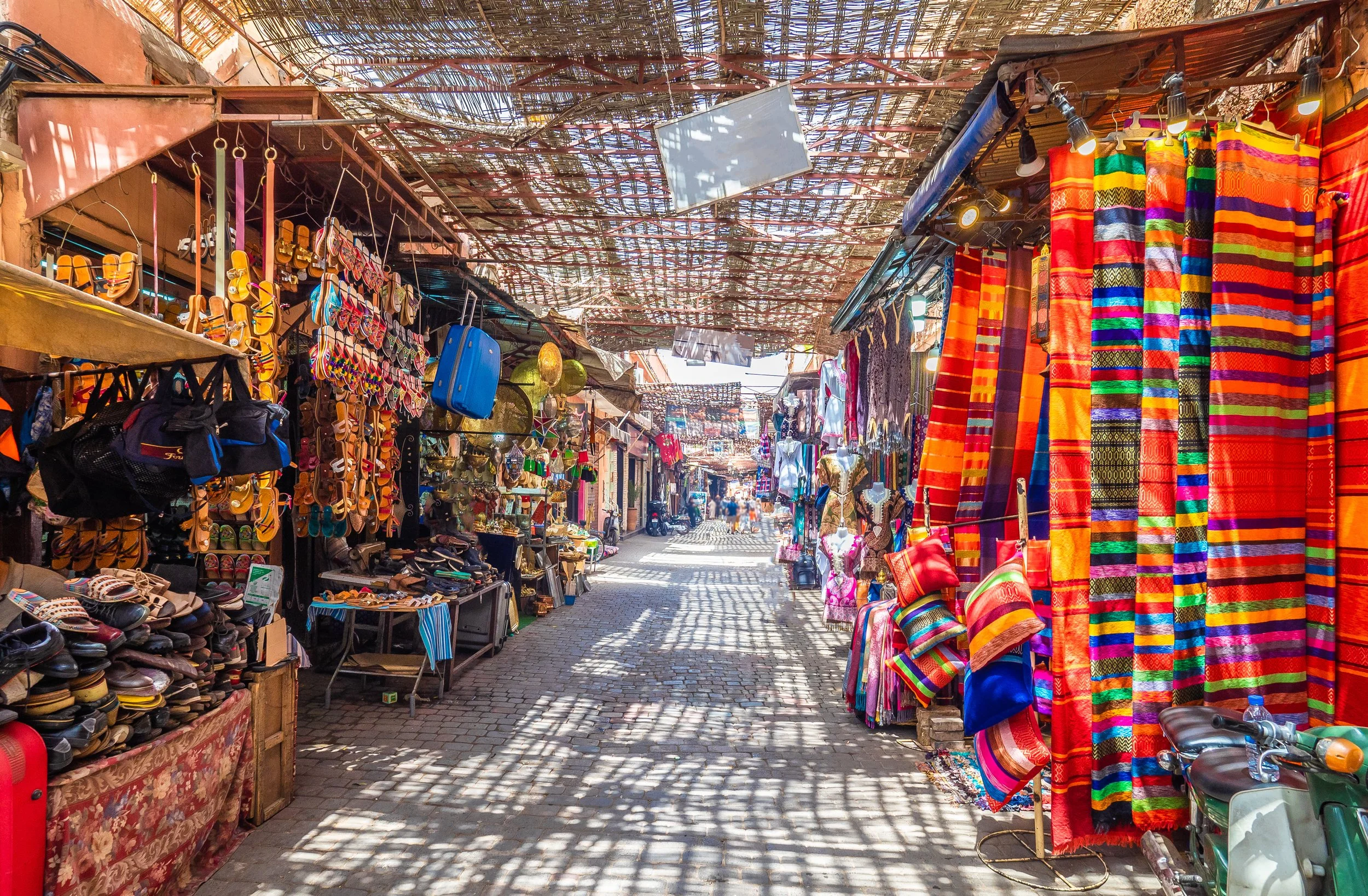
Every great town once had a great market. We often talk about high streets being in decline and the rise of online shopping, but the unique appeal of locally sourced produce and the sense of community found in many markets continues to draw both locals and visitors. However, too many towns have lost their markets, or worse, still have them but fail to see their potential.
The National Planning Policy Framework (NPPF) encourages local authorities to “retain and enhance existing markets and, where appropriate, re-introduce or create new ones.” Yet, despite this, markets are still often treated as second-tier retail spaces - undervalued and overlooked.
The Mayor of London’s Proposed Licensing Changes
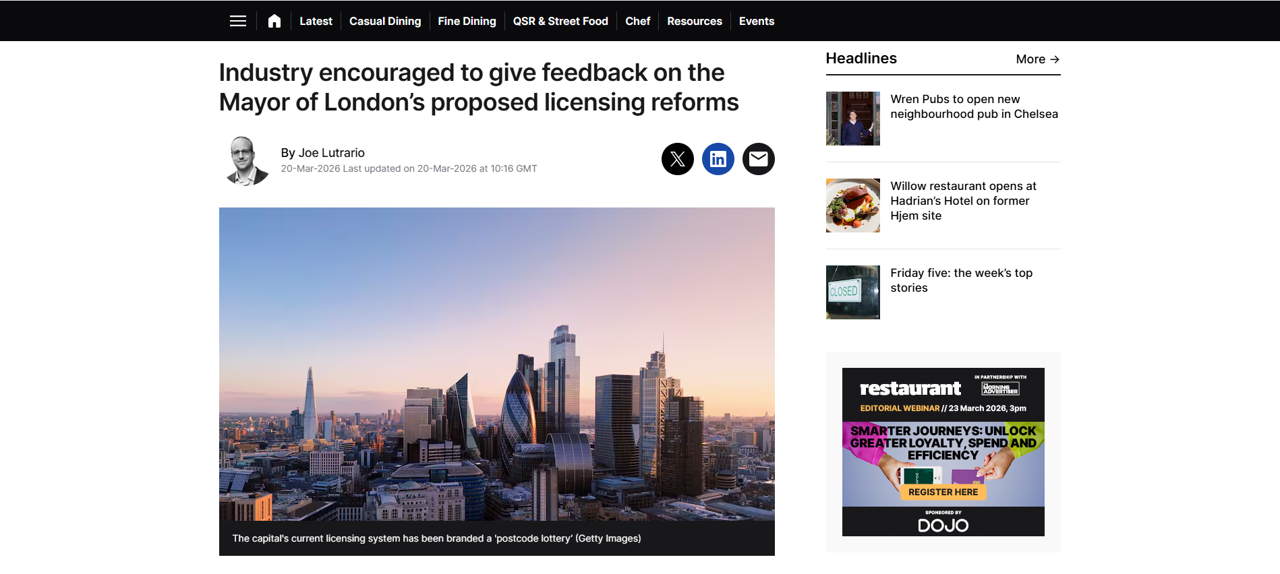
Simon recently highlighted the Mayor of London's Draft Strategic Licensing Policy, partly because we were surprised that so few people in the industry knew it existed.
Restaurant Magazine picked it up, and the story is now out. We are glad it's getting wider attention because this genuinely matters.
The 'licensing postcode lottery' is a real problem. Operators in some boroughs navigate a completely different system to those a few miles away. This policy is an attempt to fix that, and on the whole it looks positive for the industry.
But the consultation closes soon and the survey already has nearly 2,000 responses. If those skew toward residents and objectors rather than operators and night-time economy workers, the data this policy is built on will reflect that.
Behind the Counter Podcast: Episode Five Listen Here
Beyond the Counter – Episode 5: Simon Mitchell, CEO of Kerb.
Beyond the Counter podcast is back with an episode featuring Simon Mitchell, CEO of KERB, one of the most influential operators to shape UK street food and the modern food hall scene. If you only know KERB from a couple of high profile sites, this conversation opens up the real story, how the business has evolved, what the model looks like behind the scenes, and what it takes to keep quality and culture as you scale.
We talk about the shift from pop ups to permanent destinations, what operators get wrong when they try to copy the format, and how KERB thinks about curation, standards, and trader success. Simon is direct on the hard bits too, costs, risk, the realities of expansion, and why “more sites” is not always the answer. It’s a practical listen for anyone building, running, or investing in food halls, markets, and street food led venues.
Expect plenty of real world detail, not theory. You’ll come away with a clearer view of what makes the best operators win, and what you need to get right if you want a food hall to last beyond the launch hype.
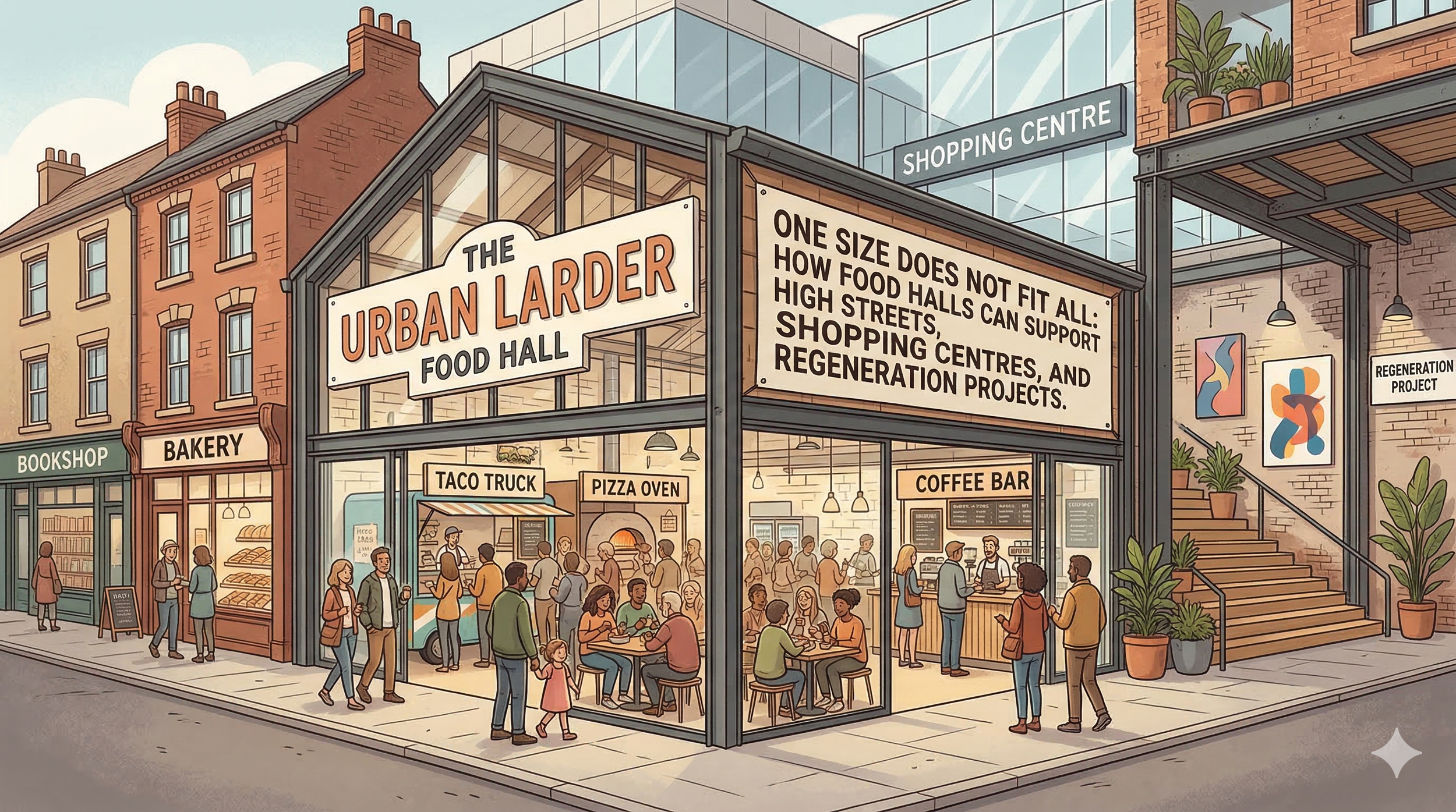
One Size Does Not Fit All: Part One
Food halls are no longer a hospitality trend. They are a proven placemaking strategy, used by councils, landlords and developers to activate stranded assets, restore high street vitality and create the all-day economies that retail alone cannot deliver.
But there is no universal template. A destination food hall requires a fundamentally different approach to a community market hall. A container market serving an early-stage regeneration site has nothing in common with a heritage market undergoing modernisation.
In the first of a two-part series, we set out the four core food hall models, the investment and scale required for each, and the critical factors that determine whether they thrive or fail. Part 2 will explore how to match the right model to your specific location and objectives.
If you are exploring a food hall opportunity and want to understand where to start, this is the place.
Behind the Counter Podcast: Episode Four Listen Here
Beyond the Counter – Episode 4: Mike Sinclair and Fred Carr
Beyond the Counter podcast is back with an episode that gets into the stuff most people skip. I’m joined by Mike Sinclair of Macauley Sinclair, one of the UK’s leading architects and designers in the food hall space, and Fred Carr of Morgan Carr, cost consultant and QS, who lives in the numbers that decide whether a venue makes money or becomes an expensive mistake.
If you are planning a food hall, this is the conversation you need before you spend a penny. We talk about the decisions that lock in cost and performance early, what good layouts really look like once guests and traders are in the building, and where projects go wrong when ambition runs ahead of reality. Mike and Fred also share the common traps they see, from underestimating back of house and services to over-promising covers and trading levels that never show up.
It is a practical episode aimed at operators, landlords, and project teams who want a venue that works day in, day out. Expect straight talk on budgets, programme, risk, value engineering, and how to keep quality without setting fire to the financial model.
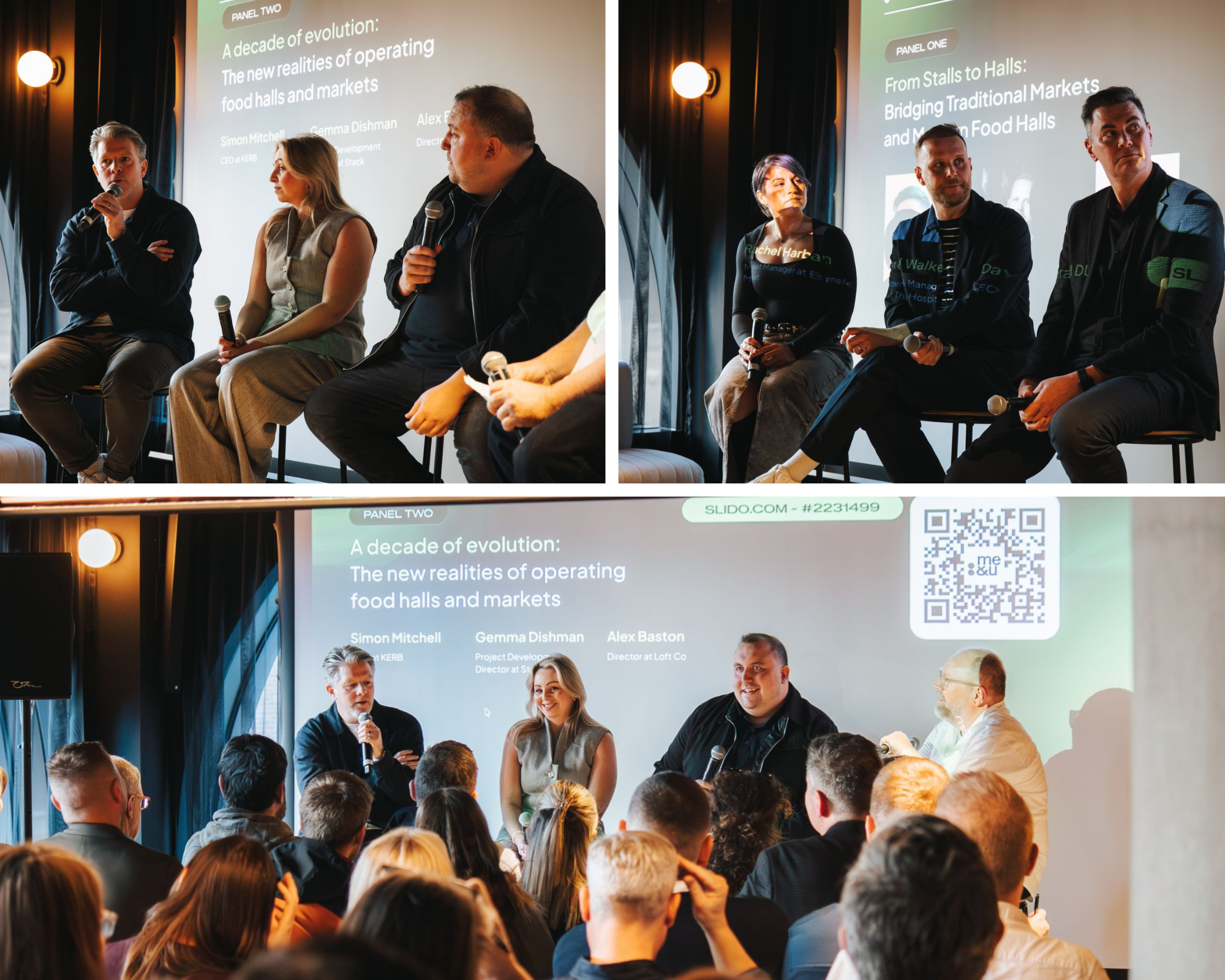
me&u and Next Phase: Beyond the Counter Live
Beyond the Counter Live at House of Social in Manchester was a huge success, and it proved again that the me&u and Next Phase partnership is setting the pace on insight for food halls and markets. We brought together an operator only room, two sharp panels, and the right level of honesty about what it takes to run these venues in 2026. Panel one looked at a decade of change with Simon Mitchell (KERB), Gemma Dishman (STACK) and Alex Baston (Loft Co.). Panel two went deep on markets with Rachel Harban (Barnsley Market), Richard Walker (The Hospitality Collective) and David Catterall (NABMA).
Stranded Assets Part Four: Before the Architects Arrive
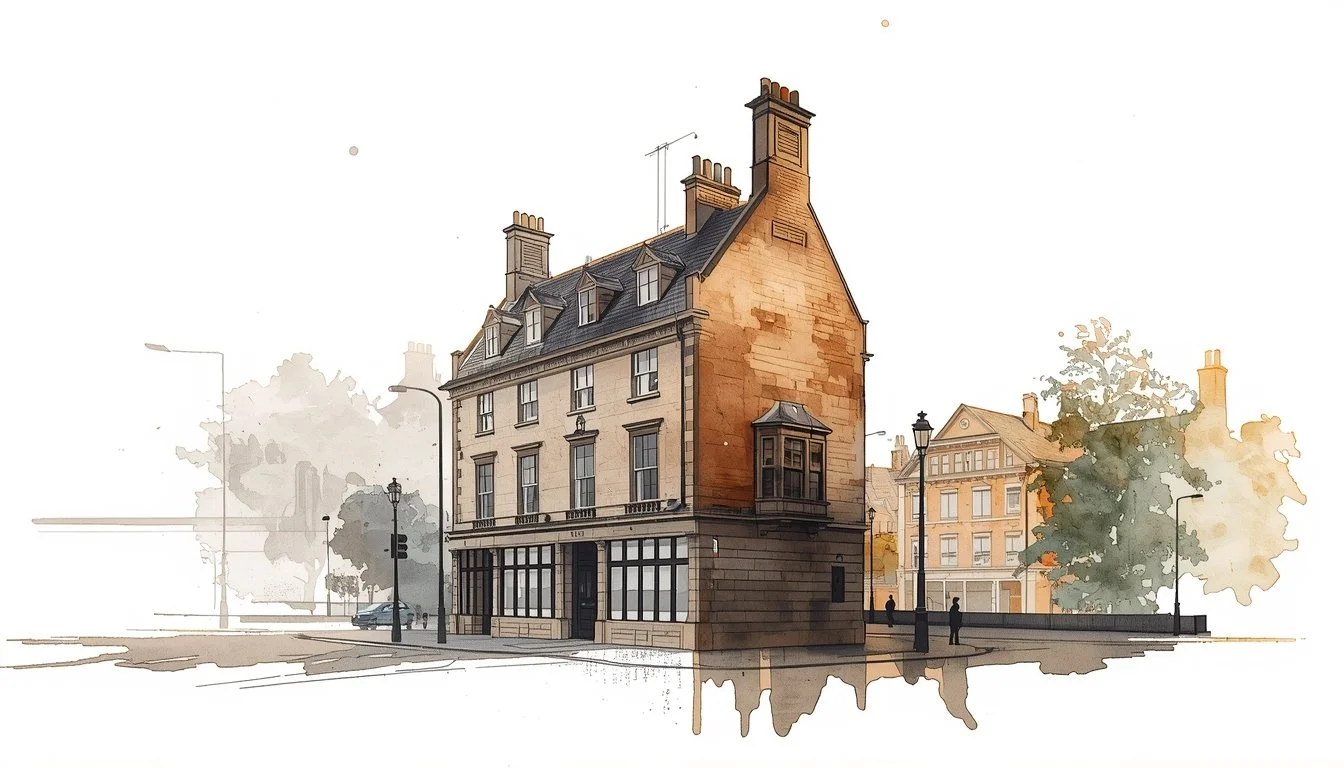
"We want a community hub with flexible space and a café."
That's not a brief. That's a wish list.
How many covers does the café need to break even? Where do deliveries come in on market days? Is there enough cellar space for a proper bar, or are you already committed to bottles only?
These aren't design questions. They're operational questions. And when they surface late, the answers are expensive.
Our latest article looks at the work that should happen before anyone picks up a pencil.

Behind the Counter Podcast: Episode Three Listen Here
Beyond the Counter – Episode 3: Meriel Armitage, Club Mexicana
In this episode, we speak to Meriel Armitage, founder of Club Mexicana — the cult vegan brand that’s gone from supper clubs and street food stalls to multiple restaurants and major food hall residencies.
This is the first vendor-led episode of Beyond the Counter, and it’s a refreshingly honest, practical deep dive into what it really takes to build a food business from the ground up. Meriel shares how food halls shaped her brand, what operators often get wrong in working with traders, and how she’s navigated growth in a sector still dominated by meat and men.
For anyone working in food halls — whether you’re an operator, trader or investor — this one’s essential listening.
Beyond the Counter is hosted by Simon Anderson of Next Phase and produced in collaboration with me&u.
Behind the Counter Podcast: Episode Two Listen Here
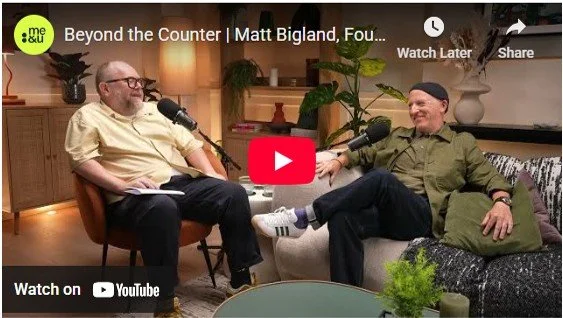
Beyond the Counter – Episode 2: Matt Bigland, Blend Family
In this episode of Beyond the Counter, we sit down with Matt Bigland, co-founder of Blend Family — the group behind some of the UK’s most ambitious food halls including Cutlery Works in Sheffield, Cambridge Street Collective, and the newly launched Tower Street Collective in London.
Matt shares the story behind scaling from a single-site vision to a multi-venue brand, and the challenges of keeping soul, independence and culture intact as you grow. From building a community-first approach to designing venues that prioritise people and purpose, this conversation is packed with insight for anyone shaping the future of hospitality.
Hosted by Simon Anderson of Next Phase, Beyond the Counter is brought to you in collaboration with me&u.
Stranded Assets Part Three: What Actually Makes a Stranded Asset Viable Again?
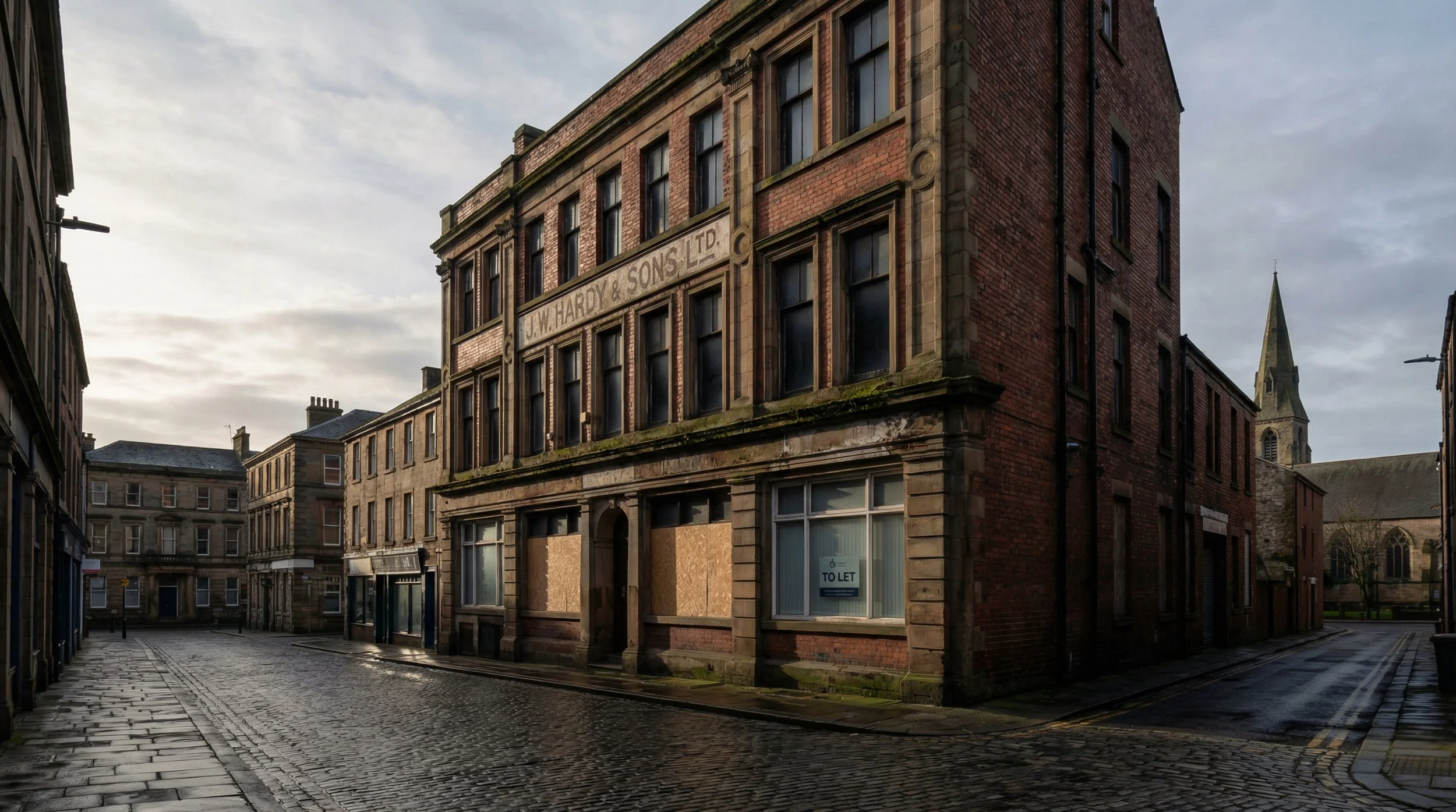
It is easy to look at a stranded building and imagine what it could become. A community hub. A food hall. A creative workspace. Co-working. A boutique hotel. The ideas come quickly, often fuelled by examples from other places that seem to have cracked the problem.
But ideas are not the hard part. The hard part is knowing whether an idea will actually work - in this building, in this location, for this community, at this cost.
Most stranded assets have no shortage of vision. What they lack is the evidence to support it.

Making Engagement Meaningful: Beyond Tick-Box Consultation
People often feel unheard, cynical, or disengaged - and yet they do care. The problem isn’t apathy. It’s how engagement is designed, delivered, and used to extract meaningful conclusions that can be acted upon.
At Next Phase we design and deliver engagement that is proportionate, inclusive, and genuinely useful - not as a procedural requirement, but as a critical input into better decisions. That means combining strong survey design with on-the-ground conversations, thoughtful analysis, and clear, evidence-based recommendations that clients can actually act on.
Next Phase featured on BBC Breakfast discussing the growth of UK food halls
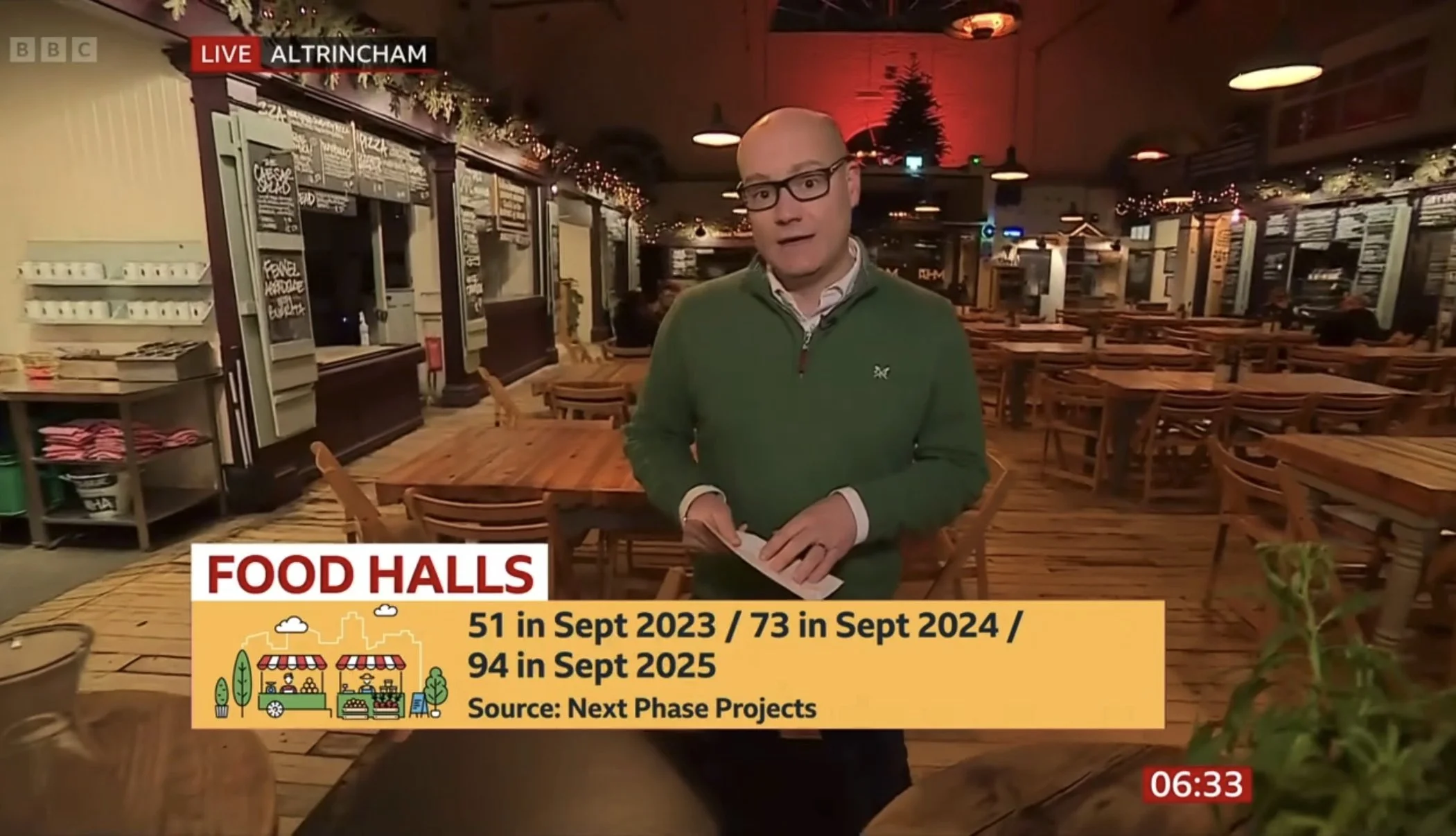
On New Year’s Eve, Next Phase was featured on BBC Breakfast, with our research into the UK food hall sector used to inform a national discussion on one of the few areas of growth within hospitality. Our business partner Simon Anderson appeared live on the programme from Altrincham Market Hall at 6.30am, sharing insight from the data and wider experience across the sector.
At a time when hospitality and high streets continue to face significant challenges, food halls are emerging as a rare positive story. According to our Growth 2025 research, the number of food halls operating in the UK increased from 73 to 94 over the past year, representing growth of 26 per cent. Across all multi vendor operations, the total now stands at 139, up 22 per cent on 2024.
Despite ongoing pressures across the industry, only one food hall closure was recorded during the same period.

Stranded Assets Part Two: Operating Models That Work: Who Runs the Building After?
Defining a future use for a stranded asset is only half the challenge. The other half - often underestimated - is working out who will own it, who will run it, and how it will sustain itself over the long term.
This question is not a technicality to be resolved once funding is secured. It shapes everything: the types of use that are feasible, the funding routes available, the level of ongoing council involvement, and whether the building will still be thriving in ten years or quietly struggling within three.
Stranded Assets Part One: The Buildings Holding Town Centres Back
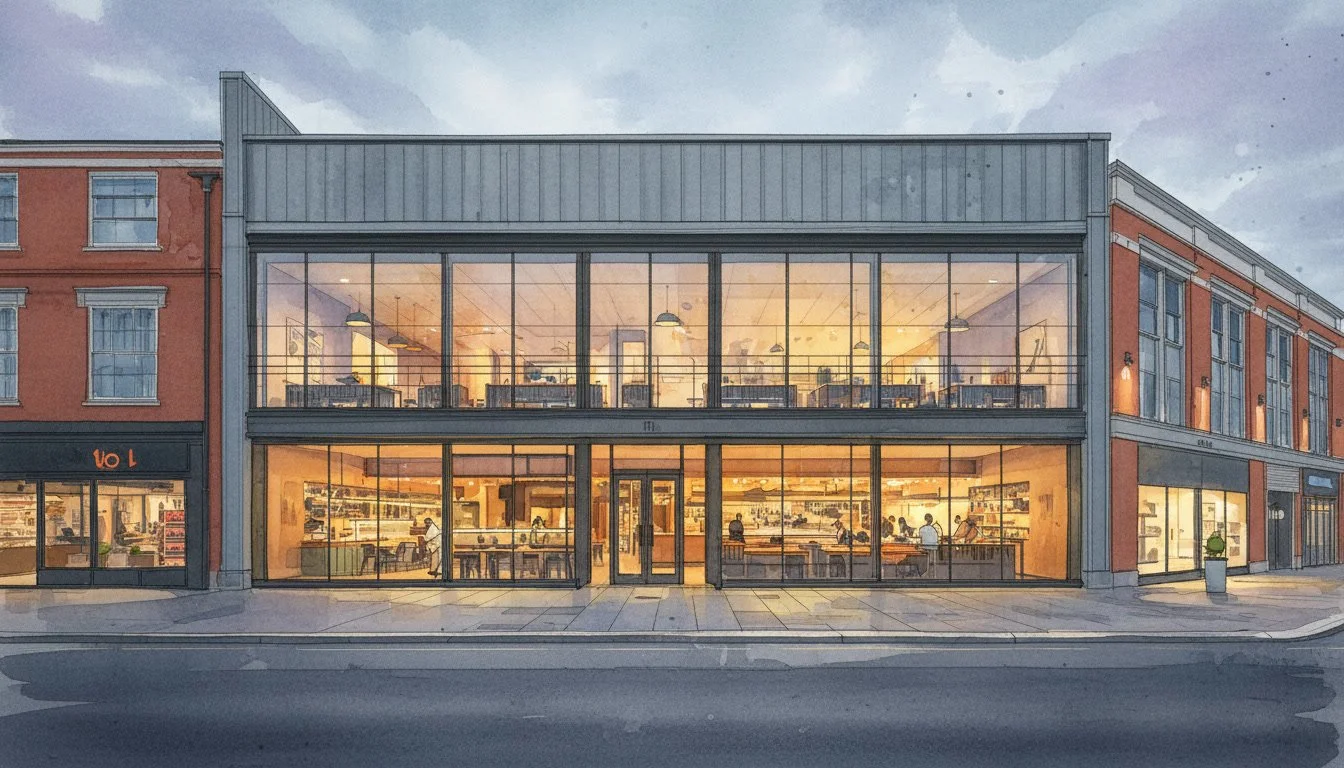
Every town has buildings that have slipped into limbo. Former civic buildings, such as town halls, outdated commercial blocks, heritage structures without purpose, and market halls that no longer trade effectively. These stranded assets sit in the most visible parts of town, yet they resist easy answers.
They are too costly to maintain, but often too prominent to ignore. And while they wait for a solution, they quietly undermine wider regeneration efforts. A decaying landmark in the wrong location sends a message about a place's direction. It weakens investor confidence. It frustrates residents. Doing nothing is not a neutral act.

Behind the Baubles: The Real Work of Christmas Markets
When people picture a Christmas market, they think of wooden chalets, fairy lights, mulled wine and happy shoppers. What they don’t picture is the spreadsheet of road closures, the endless risk assessments, or the frantic hunt for one last trader who can do weekends two and three.
How to Develop a Food Hall: Getting It Right From Day One
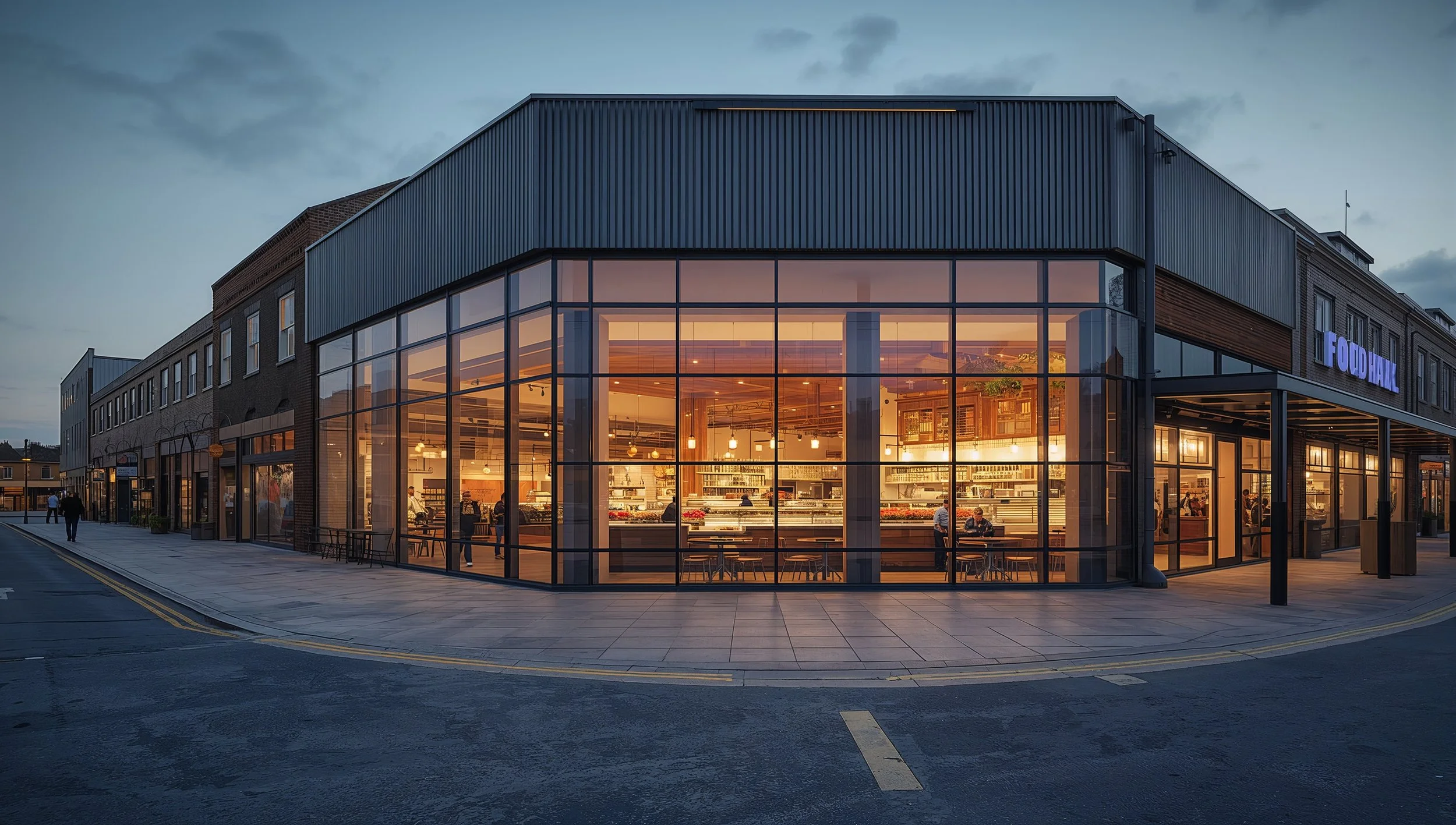
Empty department stores, underused basements and tired retail units are a genuine challenge for town and city centres. They drag on footfall, confidence and investment. But the answer is not simply to point at the void and decide it should become a food hall. A food hall can be a powerful solution, but only when the numbers, the market and the operating model are aligned from the start. Without that alignment, even the most exciting concept can become an expensive, short-lived experiment.
Food Hall Market Grows 26% While Hospitality Contracts
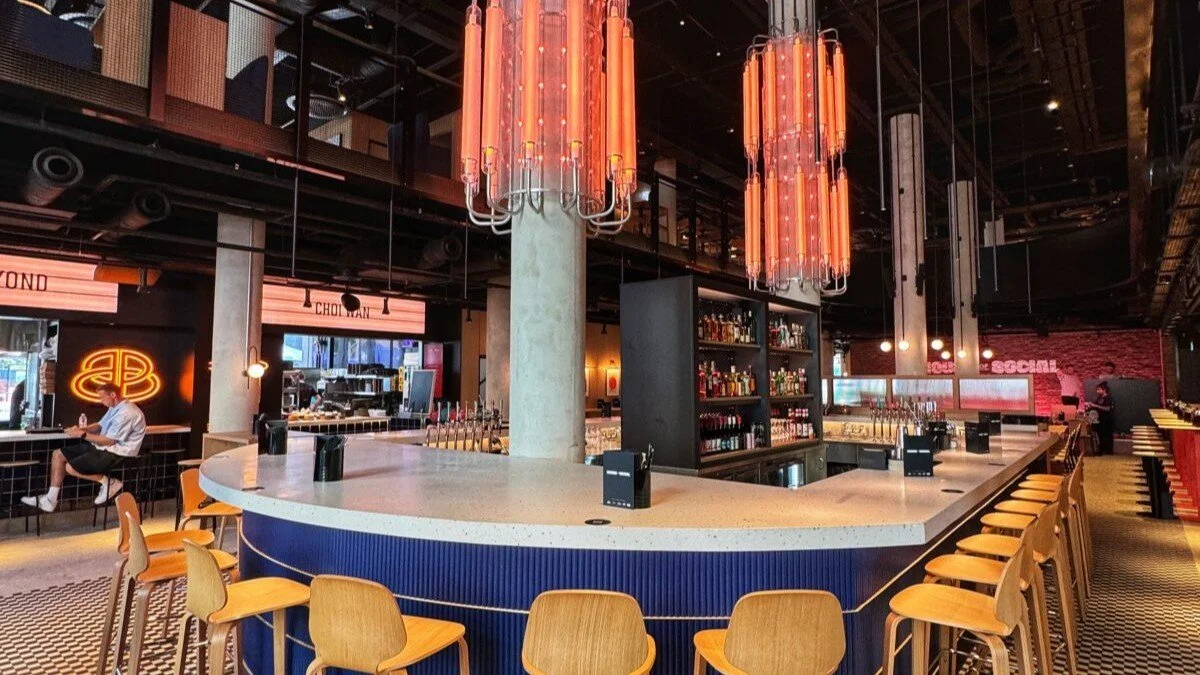
As of September 2025, there are 94 food halls operating across the UK, up from 73 last year, a 26% year-on-year increase. Across all multi-vendor operations (MVOs), the total now stands at 139, up from 114 in 2024, a rise of 22%. A further 58 sites are currently in development, compared with 52 last year.

Behind the Counter Podcast: Episode One Listen Here
Behind the Counter: Nick Johnson MBE on Markets, Independence and Regeneration
In this opening episode of Beyond the Counter, a podcast by me&u, hosted by Simon Anderson of Next Phase, we sit down with Nick Johnson MBE, founder of Altrincham Market, Mackie Mayor and the Picturedrome. Widely credited with kickstarting the UK’s modern food hall movement, Nick shares his no-nonsense views on regeneration, independence and why soul can’t be CGI'd.
This is a conversation about more than food; it's about placemaking, people, and the power of doing things differently. For anyone working in markets, hospitality or urban change, it’s a must-listen.